NakodaX

One platform. Three kinds of protection.

Your files leave your business. Your control doesn’t.

Every week you share things you’d hate to lose: your software, your data, your documents. They go to customers, partners and vendors, and they never come back. NakodaX protects them before they leave, so you can always take them back. Change your mind, and every copy stops working. Including the ones nobody remembered.

  • No account for the people you send to
  • We never see or store your files.

The NakodaX ecosystem

Three things leave your business. We protect each one.

The same protection, whether it leaves as a document, a data feed or the software you ship.

For every business

Documents that only open with your permission.

Protect a document before it leaves. It travels encrypted, and permission is checked with you every time someone opens it, quietly, in the background. Stop giving permission and every copy stops opening: the one you sent, the ones that were forwarded, the ones sitting in folders nobody remembers.

  • Share only the pages, slides, rows or columns that matter. The rest isn’t in the file at all.
  • Set an expiry, or cap how many times it opens
  • See who opened it, and when
  • Protect files already in Google Drive, OneDrive or Dropbox
  • Encrypt email attachments before they go out
  • No account for the people you send to
For businesses with partners

Data that checks your permission on every read.

The same protection, applied to data rather than documents. It works inside the feeds, exports and pipelines that carry data into systems you don’t run, so protection isn’t something anyone has to remember to apply. Ending a relationship ends what that recipient can read, back through everything you ever sent them.

  • Protect data inside your pipelines, not just the files you send
  • Give each vendor, partner or team only the columns and rows they should see
  • Cut off one partner without touching the others
  • Governed sharing without enterprise warehouse or cleanroom licensing
  • A record of every read, by whom and when
  • No agent to install. Partners read it with the systems they already use.
  • Your data never leaves your servers. We never see it.
For software companies

Software that runs without ever being readable.

The same protection, applied to the software you ship. It covers the part of a codebase actually worth stealing: the pricing logic, the scoring model, the engine a competitor would need years to rebuild. That part runs wherever you allow it, and is readable nowhere.

  • Source encrypted at rest, decrypted only at runtime
  • Nobody sees the plaintext. Not your team, not a vendor, not a customer.
  • Copy it to a machine you haven’t approved and it won’t run
  • Cut off one customer without touching the rest
  • Access that expires when the contract does
  • See which deployment ran, where, and when
  • Pilots that stop on day 31 without a conversation

The gap

You’ve secured your business. What about everything you send out of it?

You lock the building. You control who logs in. You protect what stays inside.

But your best work doesn’t stay inside. Your software runs on your customers’ servers. Your data goes to your agency every week. Your proposals go to prospects, your contracts to lawyers, your pricing to procurement teams.

The moment any of it lands somewhere else, you have exactly one control left: asking nicely.

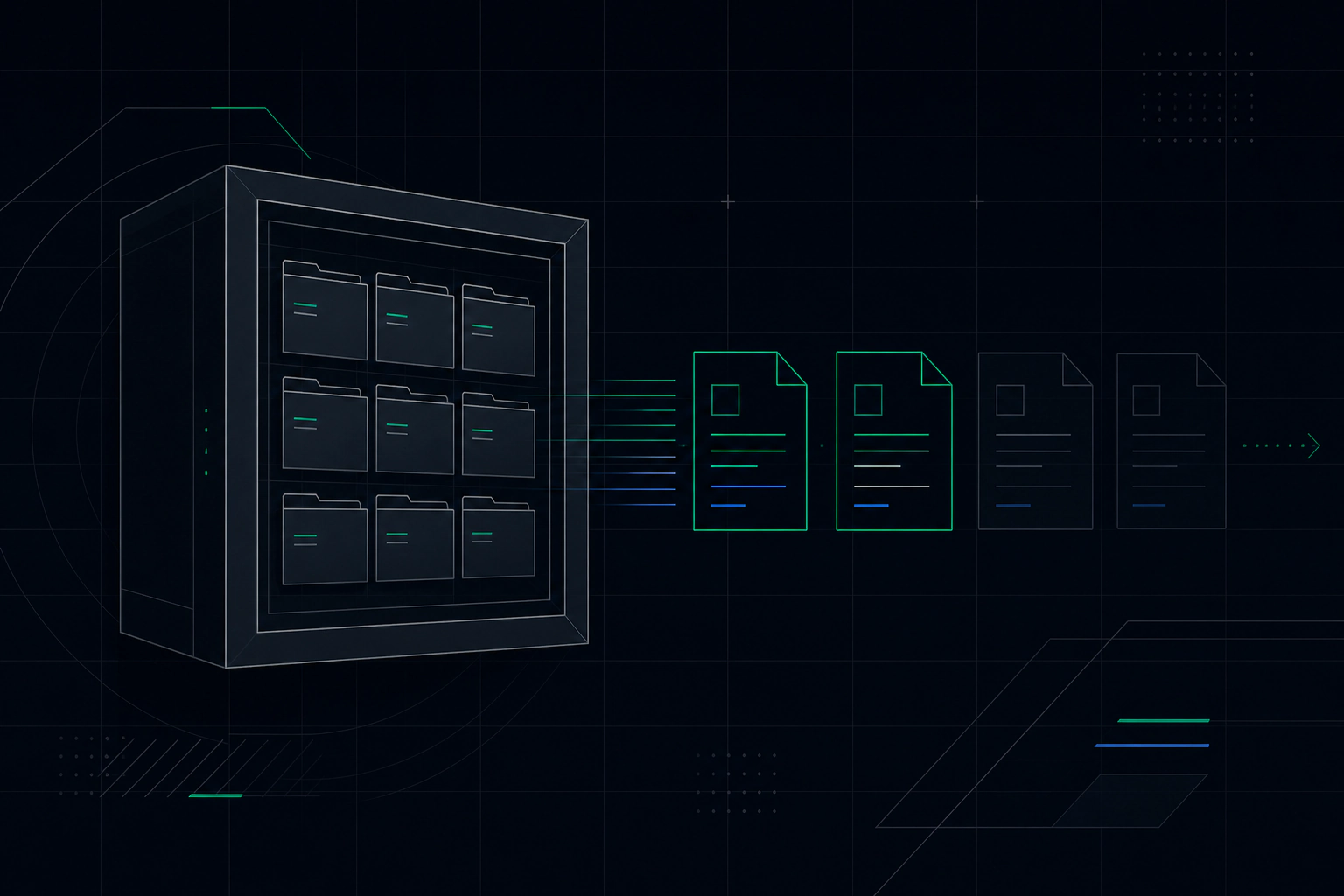
Documents, data and software streaming out of a secure building.
“Please confirm you’ve deleted it.”
No one has ever checked.

So we put the control inside the file

  1. 01

    It leaves locked

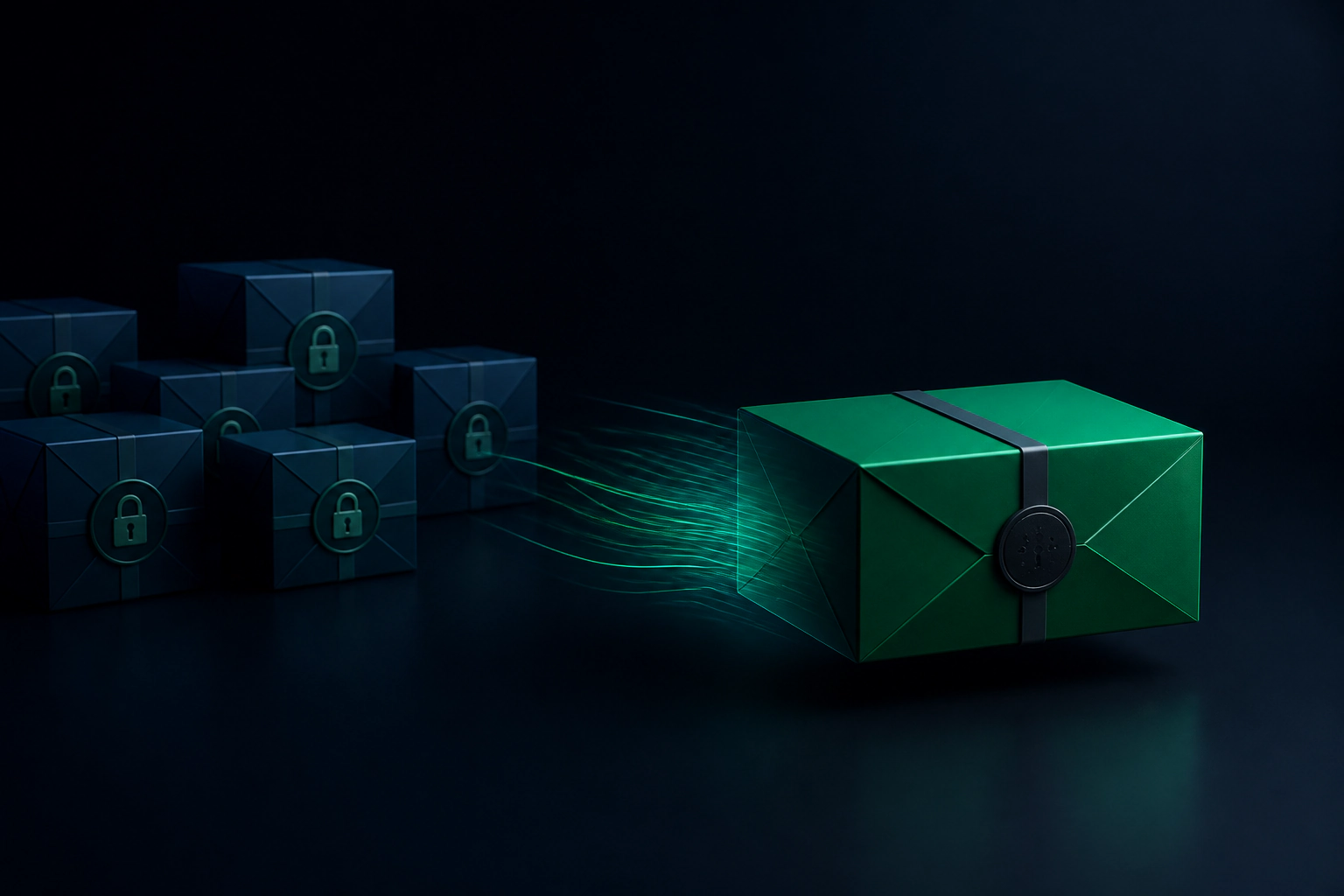
    A file leaving as a sealed box, copies remaining locked.

    Your file goes out sealed. Anyone can hold it, copy it or forward it. Without your permission, it’s just a locked box.

  2. 02

    Opening it asks you first

    A sealed file connected by a thin line to a distant control node.

    Every time anyone opens it, permission comes from you. Silently, in the background. They just click and read.

  3. 03

    You can say no

    A switch thrown, every copy of the file gone dark.

    Stop giving permission, and every copy stops working. The one you sent, the ones that were forwarded, the ones sitting in folders nobody remembers.

You don’t ask them to delete it. You switch it off.

One system

The same four controls, whatever leaves.

Lock it.

Encrypted before it leaves.

Filter it.

Selective access: they see only the part you chose.

License it.

Opens only with your permission, every time.

Cut it off.

Withdraw it and every copy stops.

Filter it is selective access, and it takes the shape of what it is protecting: the pages or slides of a document, the rows and columns of a feed, the parts of a codebase you choose to protect.
ControlDocumentsDataCode
Lock itYesYesYes
Filter itYesYesYes
License itYesYesYes
Cut it offYesYesYes

Documents and data

Nothing for them to install.

No account, no app, no password. They open what you sent and read it. You can cap how many times that happens, and after that it closes for good.

See it happen

Watch a file stop working

This is the whole product in twenty seconds. A document is sent and opened on another screen. Then it’s revoked. The next time it’s opened, there’s nothing there.

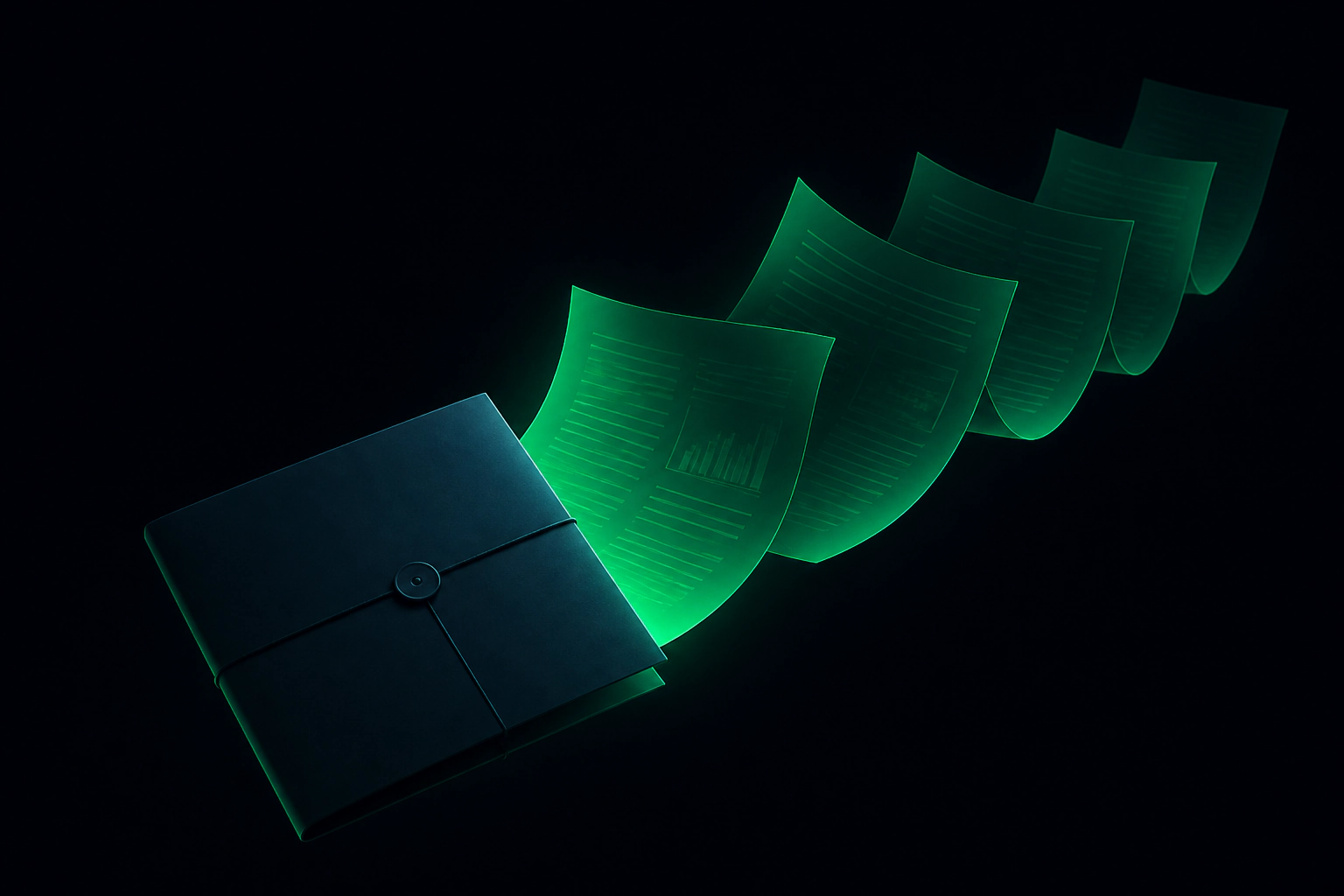
A sealed document unfolding into readable pages.
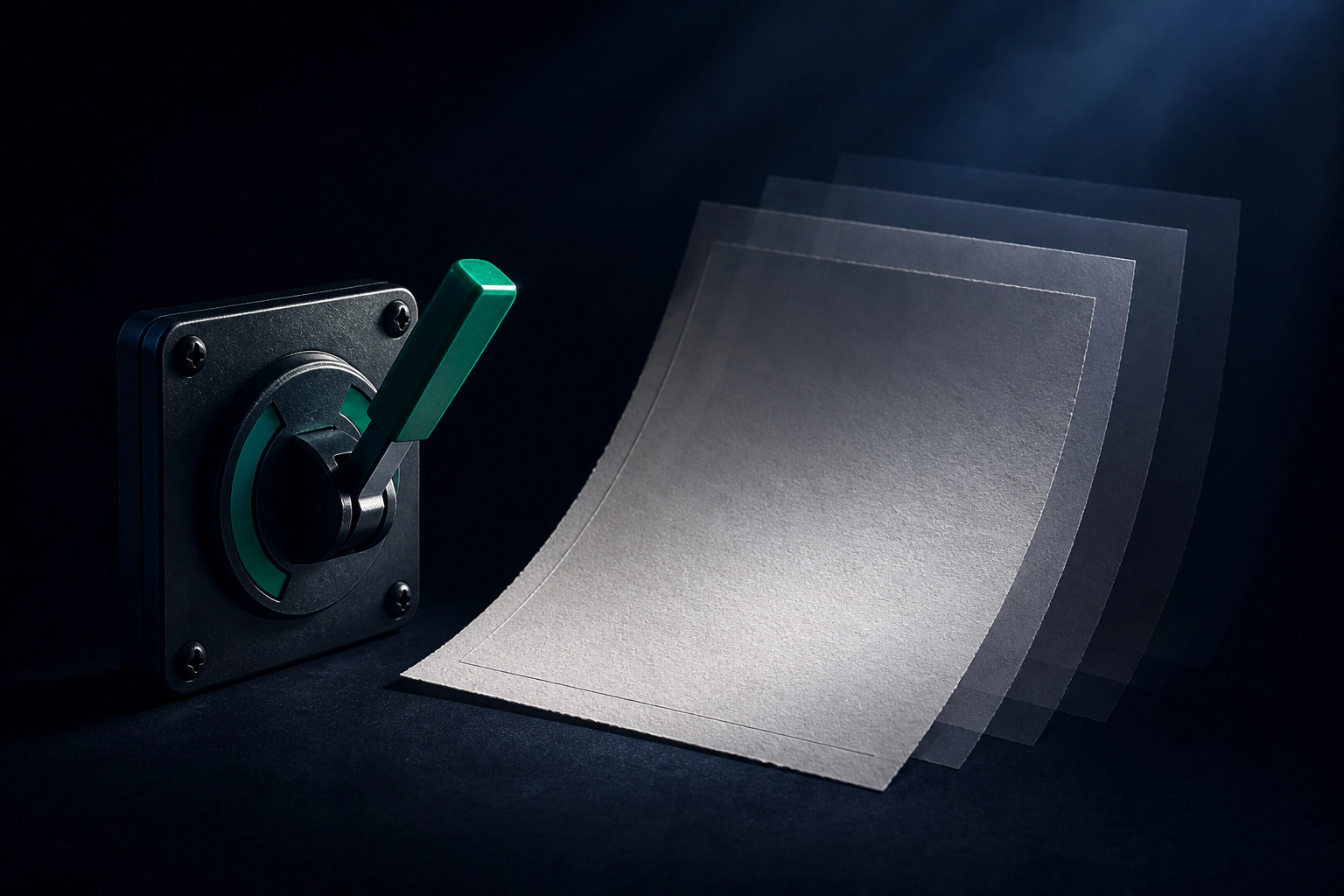
A control thrown beside a document, with ghost copies behind it.
The same document now dark and closed.

That second attempt is the whole product.

Four situations you already recognise

The deal that fell through

Two of the three bidders walked away. Everyone was asked to destroy their copies, weeks after their bankers, lawyers and analysts had downloaded everything. One of those bidders competes with you.

Access ends when you say it ends. That afternoon.

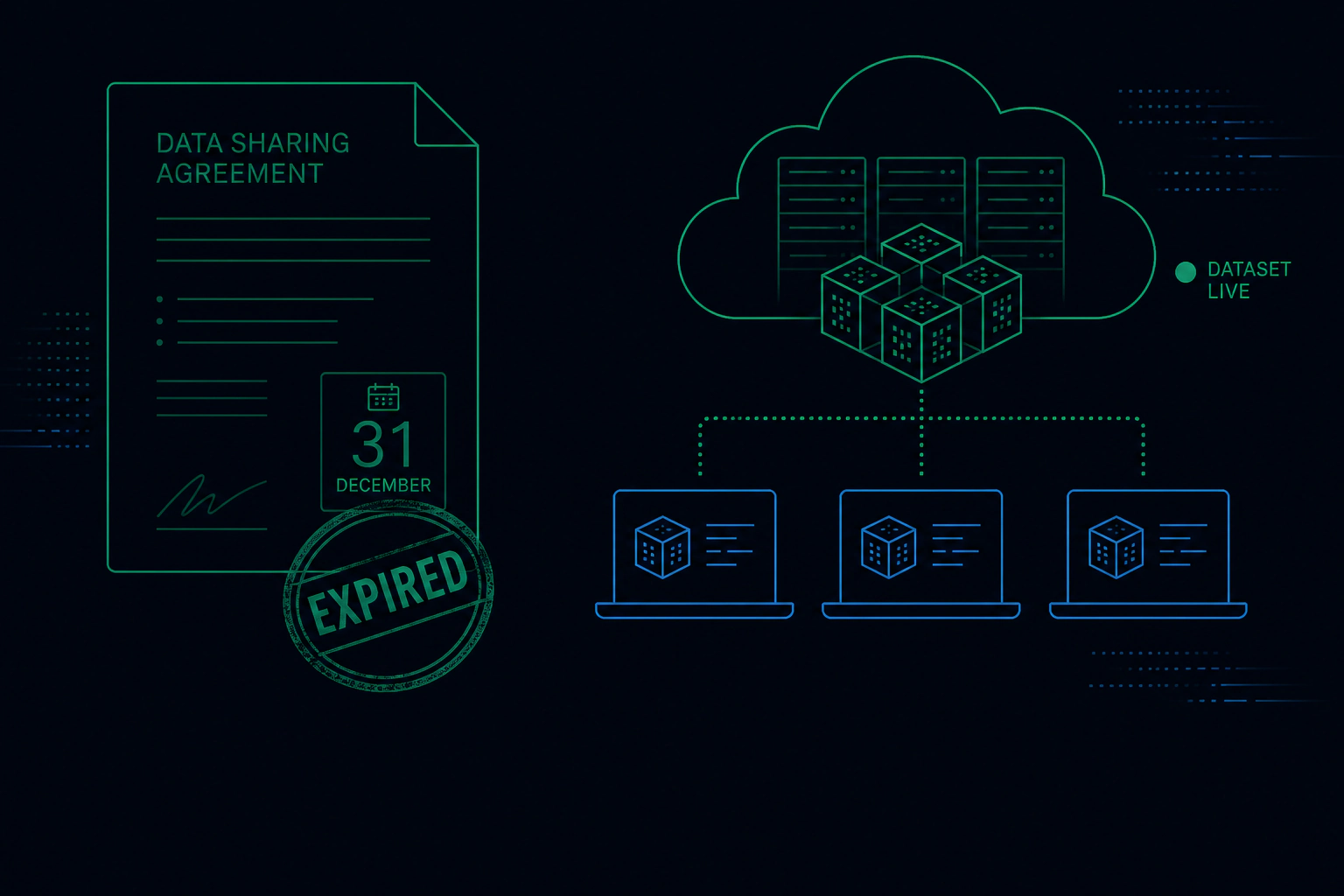
The agreement that expired on paper

The contract ended on 31 December. On 1 January you sent an email asking them to delete it. It’s in their cloud storage, on three laptops, and in a backup nobody has touched in a year.

You revoke. The next morning, it’s gone.

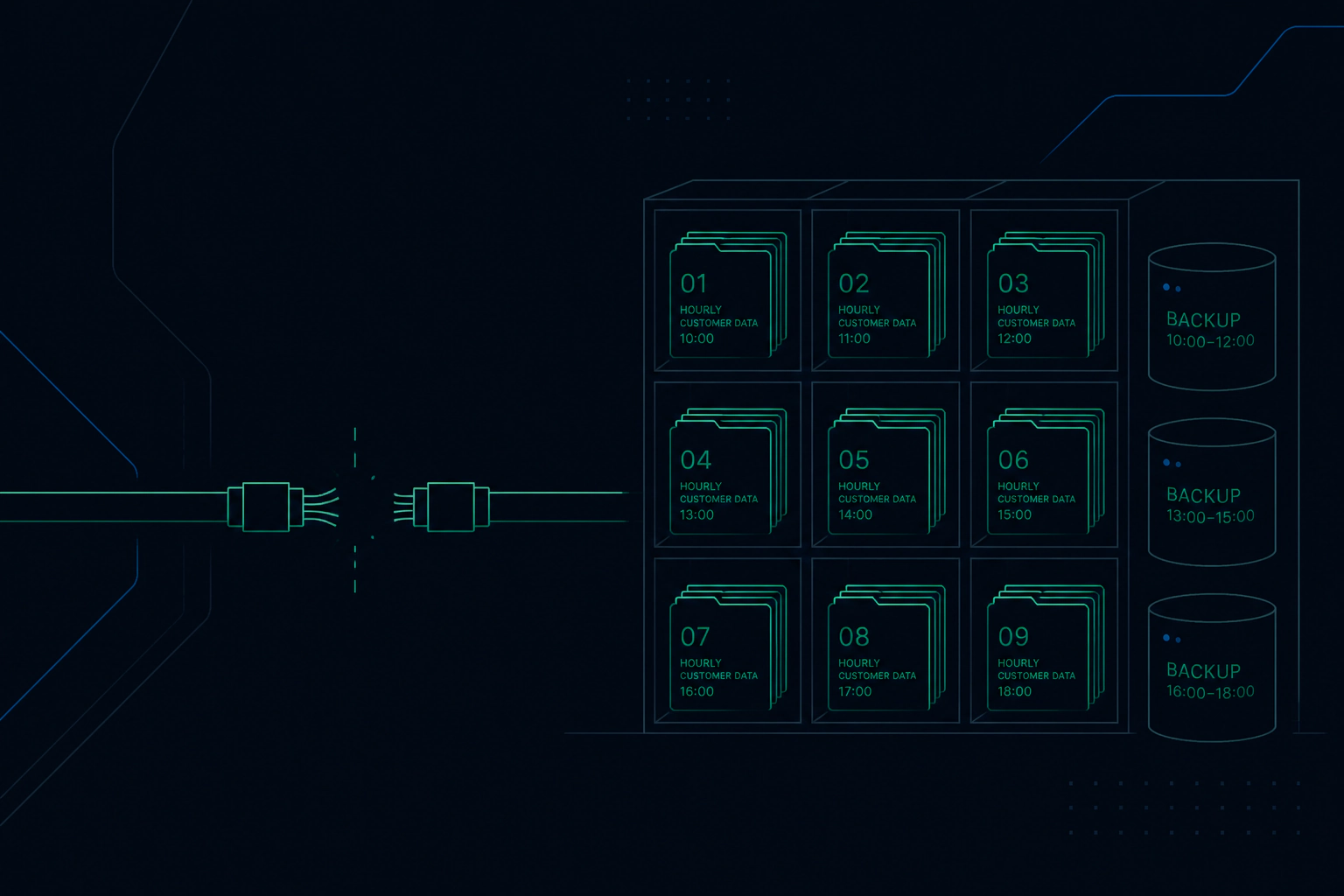
The agency you stopped working with

You sent them customer files every week for four years. You’ve closed their accounts and disabled their logins. Every file you ever sent is still in their storage, quietly informing the work they do for their next client.

Offboarding should include the data.

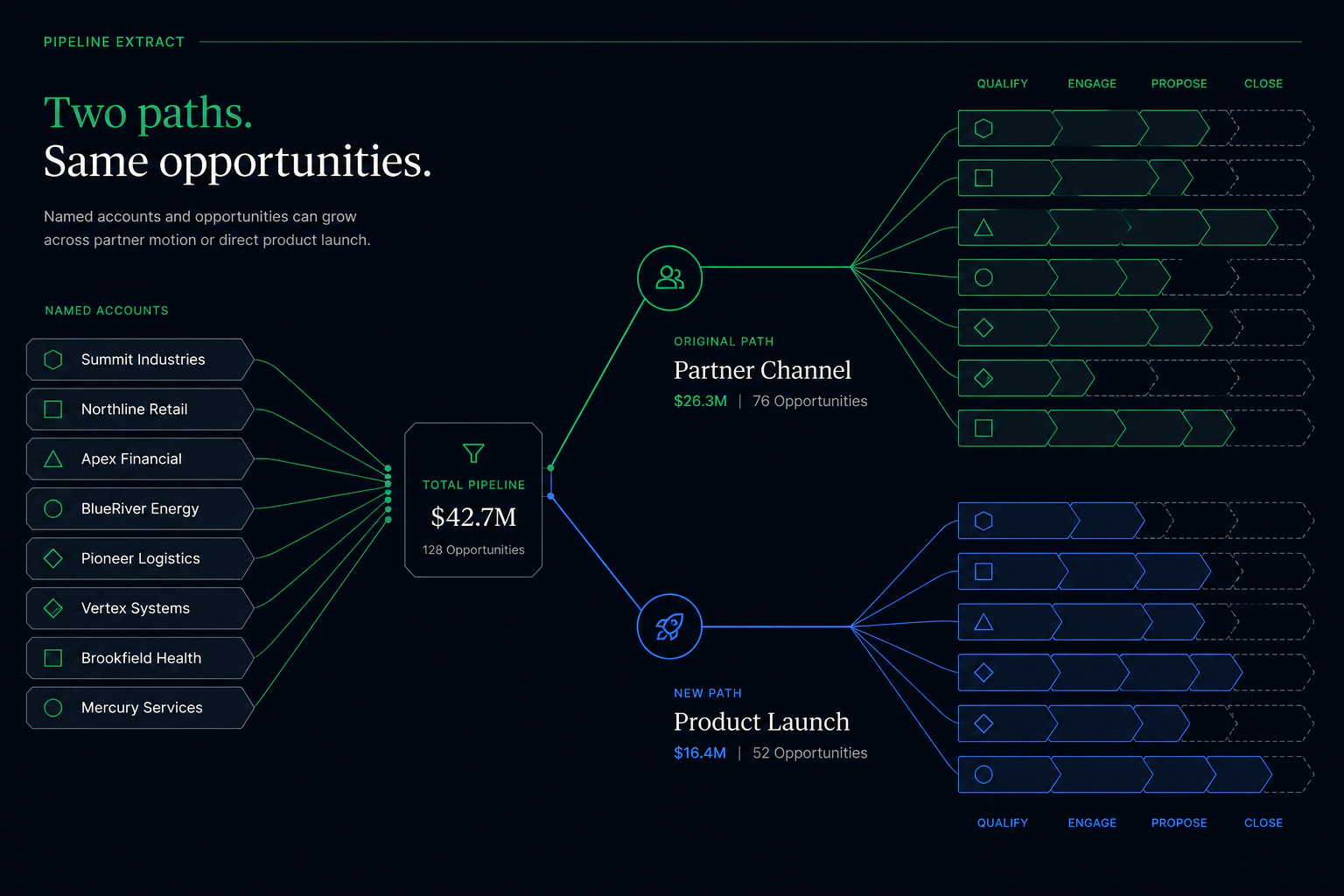
The partner who became a competitor

They were a reseller. You sent them account lists and pipeline reviews every quarter. Now they’ve launched a competing product, holding the most useful document in your industry: your customer list.

Termination lands on the file, not just the contract.

A workshop still-life of drafting tools, drawings and finished modules.

Who built this

Built by someone who spent twenty years shipping the things worth stealing

NakodaX is built by a technology leader and systems architect who has spent twenty years designing the platforms companies run on, and leading the engineering organisations that ship them. Long enough to watch the same thing happen everywhere: the most valuable work leaves the building, and the only control left is a clause and a polite email.

We’re early, and we say so. No invented logos, no “trusted by 500 companies.” What we have instead is a product you can try free in the next five minutes, and a founder you can email directly.

Answers

The questions everyone asks

Do the people I send to need an account?
No, and not for documents or data. A document is a link they click and read. A feed arrives in the systems your partner already uses, with no agent to install. No sign-up, no app, no password either way. That’s the whole point.
Do you ever see or store my files or data?
No. Everything stays on your systems. We hold the key that decides whether a copy opens, and nothing else.
What happens when I revoke?
Every copy stops opening, including copies that were forwarded, downloaded, or filed away. It takes effect the next time anyone tries to open it.
Can I share part of a file instead of all of it?
Yes. Choose the slides, sheets, rows or columns they should see. What you leave out isn’t hidden or blacked out. It isn’t in their file at all.
Does this work for software we ship?
Yes, and that’s IP protection. Your source stays encrypted at rest and decrypts only at runtime, on machines you’ve approved. Nobody holds a readable copy: not your team, not a vendor, not the customer running it. Access ends when the contract does.
What does it cost?
Document protection starts free. Protect your first files today, no card required. Data and IP protection are priced by how much leaves your business, and that starts with a short call.
What if I only need this for documents right now?
Then start there. Most businesses do. Data and IP protection are on the same platform when you want them.
Is this hard to set up?
Documents: minutes, on your own, today. Data and IP: a short setup with each partner or release, and then it runs without anyone thinking about it.

Stop asking people to delete things

Documents, data, or the software you ship. Tell us what leaves your business and we’ll show you how to take it back.